

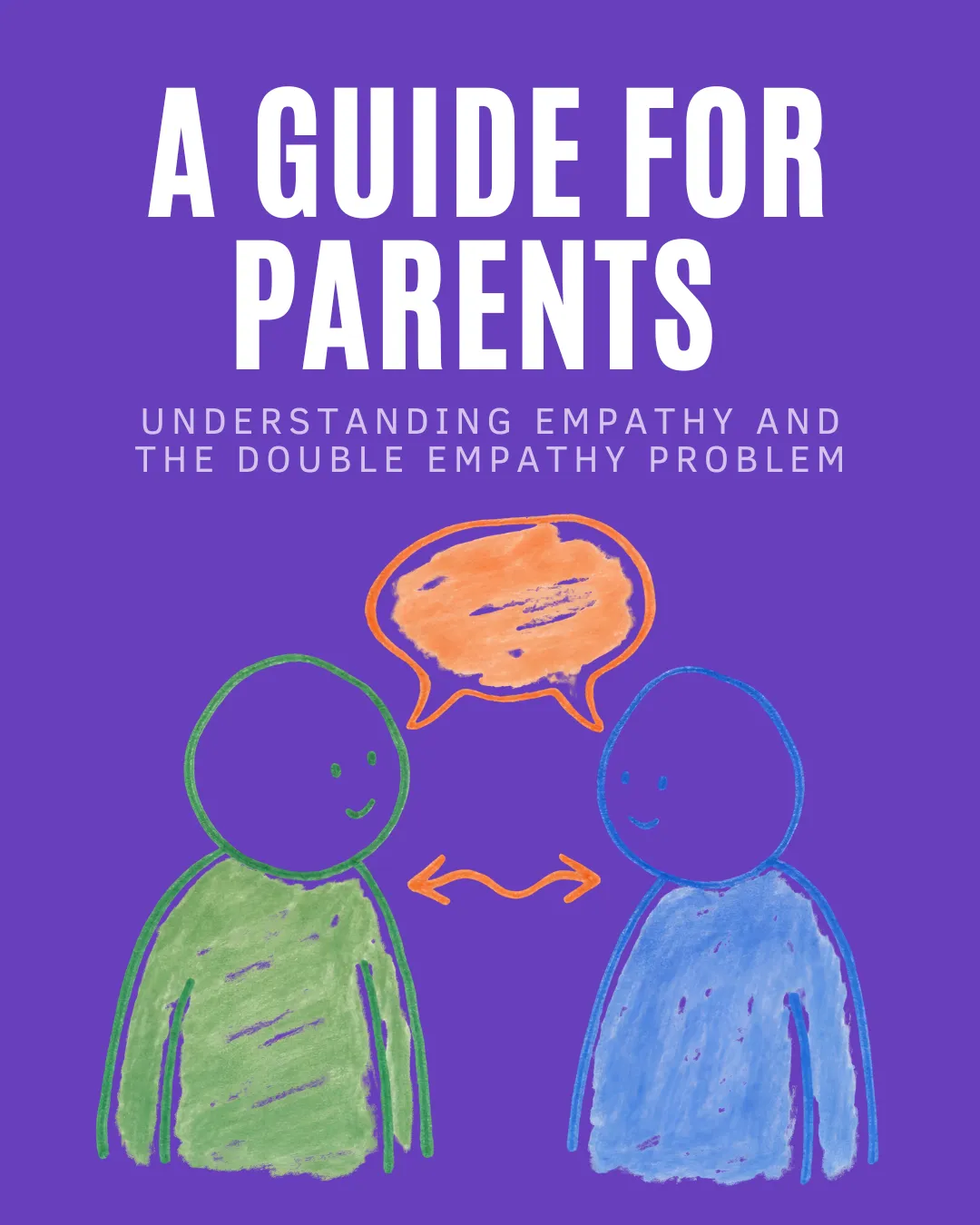
Understanding Empathy and the Double Empathy Problem: A Guide for Parents
Empathy is often seen as a single skill, but did you know there are actually different types? For parents of neurodivergent children, especially those who are autistic, understanding empathy, and how it works differently for everyone, can be a powerful tool for connection and support.
Types of Empathy
Cognitive empathy is the ability to recognise that others have their own thoughts, feelings, ideas, and beliefs. It’s about understanding that your internal world is different from someone else’s.
Affective empathy, on the other hand, is about feeling what others feel, caring about their emotions, and wanting to help.
Compassionate empathy is when the person tries to fix the problem for the other, they might offer solutions or to help eg suggesting that they can look together for the lost toy.
Autistic children and adults are often misunderstood when it comes to empathy. While some may assume they lack empathy, research and lived experience show that many autistic people have strong affective empathy. In fact, they may feel others’ emotions so deeply that it becomes overwhelming or dysregulating. If you’ve noticed your child becoming upset or anxious when others are emotional, this could be a sign of their strong affective empathy.
The Double Empathy Problem
Have you heard of the Double Empathy Problem? Coined by Damien Milton in 2012, this concept explains that misunderstandings between autistic and non-autistic (allistic) people go both ways. It’s not just autistic people who may struggle to interpret non-autistic communication, non-autistic people can also misread autistic communication styles, including facial expressions and body language.
Practical Tips for Parents
Letting go of preconceived ideas about empathy and communication can open the door to more meaningful connections. Focus on understanding your child’s unique communication style and preferences. By doing so, you’ll foster more open communication and mutual support—true empathy in action


JumpStart's Lending Library
We've launched our very own library offering books & resources forParents/Carers and children connected with us. Books that promote children's strengths and abilities and celebrate diversity.
If there is a book you would like to borrow please email us. We will let you know when it is ready for pick up from Ochre Medical Centre Bathurst.
If you have recommendations for upcoming books to review, we'd love to hear from you!

Ochre Health, CSU, Panorama Ave
Bathurst NSW 2795
ABN 53677427342
© JumpStart Therapy Pty Ltd