


Understanding "School Can't": Supporting Children Who Struggle to Attend School
School Can’t often referred to as "school refusal" or ‘emotional based school avoidance’ is a complex and emotionally charged issue that affects many families. For some
children, the challenge goes beyond avoidance and becomes what is increasingly recognised as "School Can't", a term that highlights the inability, rather than unwillingness, to attend school. Understanding the difference between these terms and how to support children experiencing these challenges is crucial for parents, educators, and caregivers.
What is School Avoidance?
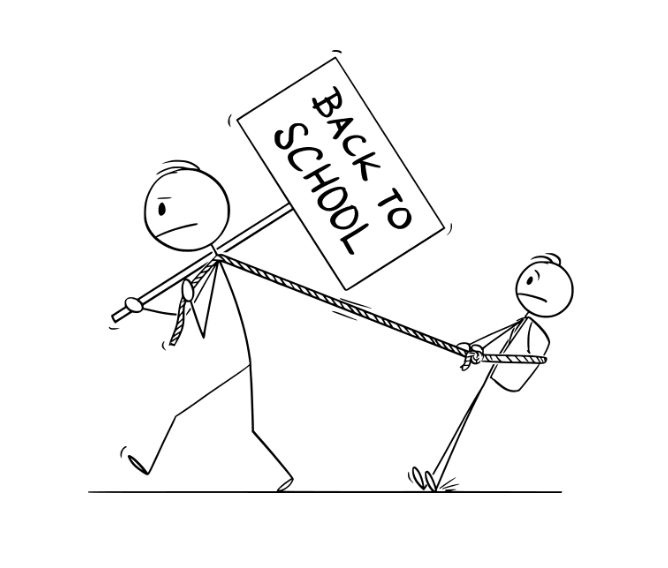
School avoidance typically refers to a child’s reluctance or refusal to attend school due to emotional distress. This distress may stem from anxiety, fear of failure, bullying, social challenges, or academic difficulties. Children experiencing school avoidance often express physical symptoms such as stomachaches or headaches, particularly on school mornings, and may become visibly upset at the prospect of attending school. While school avoidance is often rooted in anxiety, it is important to recognise that it is not a sign of laziness or defiance. Instead, it is a signal that the child is struggling with something that feels overwhelming or unmanageable.
What is "School Can't"?
"School Can't" takes the concept of school avoidance a step further. It describes situations where a child is not just avoiding school but is genuinely unable to attend due to significant emotional, sensory, or psychological barriers. This term is particularly relevant for neurodivergent children, who may find the school environment overwhelming.
For children experiencing "School Can't," the traditional school setting may trigger sensory overload, social exhaustion, autistic stress or extreme anxiety. These children are not refusing school out of choice; they are communicating that the environment is not accessible to them in its current form.
Understanding Truancy vs. School Can't
Truancy occurs when a child chooses to skip a class or leave school without permission. It’s often seen as a behavioural issue. In contrast, School Can't is not a choice—it stems from overwhelm and is a nervous system response to unmet sensory and emotional needs. It’s crucial to understand that children in this situation need support, not consequences, for missing school.
If you & your child are on the School Can't Journey, remember:
Struggling to get your child to school doesn’t mean you’re a bad parent.
It’s easy to feel guilt or shame, but this is not a reflection of your parenting. Your child’s challenges are real and valid.Rewards or bribes do more harm than good.
These approaches can undermine trust and fail to address the root causes of their struggles.Telling your child to “push through it” teaches them to ignore their body signals and energy.
This can lead to long-term issues with self-regulation and emotional wellbeing.Talking about the legal consequences of not attending school only adds pressure.
It increases stress for both you and your child, making the situation even harder to navigate.Reflect on your own assumptions about school attendance.
Just because you could attend school most days doesn’t mean your child can. Their experience is different, and that’s okay.Maintaining a good relationship with your child is the priority.
Connection and trust are the foundation for helping them feel safe and supported.Children have different learning styles and thrive in different environments.
Traditional school settings do not work for every child, and that’s not a failure, it’s a difference.Supporting their physical and mental health is key.
This gives them the best chance to grow into capable, resilient young adults who can navigate the world in their own way.
How to Support Children Facing School Avoidance or "School Can't"
Understand the Root Cause
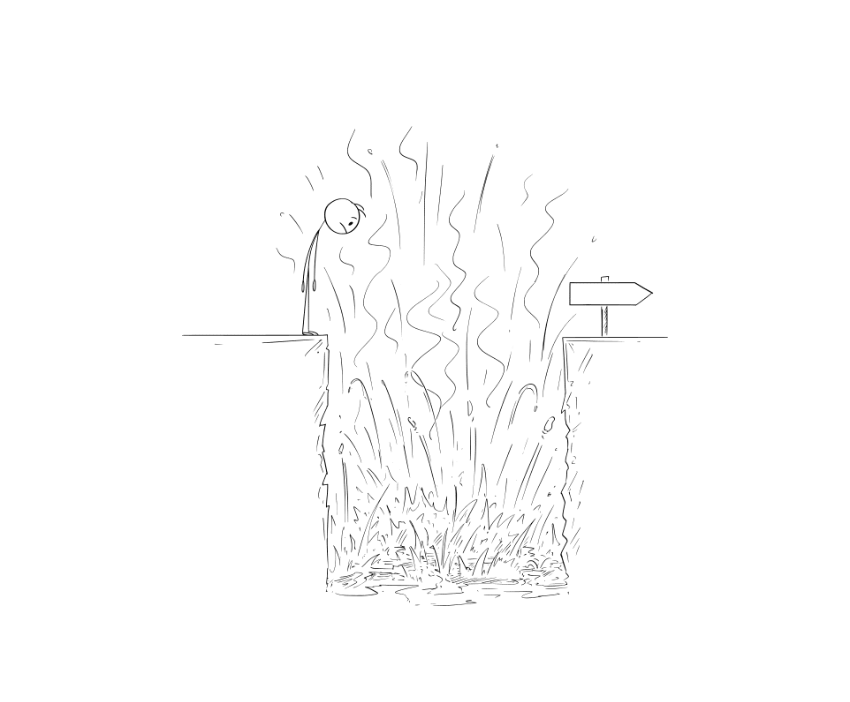
The first step in addressing school avoidance or "School Can't" is to identify the underlying reasons. Is the child experiencing bullying, academic struggles, or sensory overload? Start a conversation with your child to uncover the factors that they find most difficult.
Collaborate with the School
Contact the school early. Work closely with teachers, school counsellors, and Principal to create a supportive plan. This might include adjustments such as flexible schedules, partial attendance, sensory-friendly spaces, or additional academic support. Schools can also implement Individualized Education Plans (IEPs) to support your child’s unique needs.
Consider Alternative Education Options
For some children, traditional schooling may not be the best fit. Exploring alternatives such as homeschooling, online learning, or specialised programs can provide a more accessible and supportive environment.
Seek Professional Support
If school avoidance or "School Can't" persists, consulting a psychologist or therapist with experience in child development and neurodivergence can provide valuable insights and strategies. Professional support can also help parents navigate their own emotions and challenges during this time.
If you’re navigating School Can't with your child, my School Can't Tip Sheet is here to help. It includes:
Early warning signs to watch for
Big stressors that can overwhelm kids
Practical tips for meeting with school staff and advocating for your child
Download my free resource here
Final Thoughts
School avoidance and "School Can't" are not about defiance or lack of motivation. They are complex issues that require understanding, compassion, and collaboration. By addressing the root causes, adapting the environment, and providing emotional support, families and educators can help children feel safe, supported, and empowered to engage with learning in a way that works for them.


JumpStart's Lending Library
We've launched our very own library offering books & resources forParents/Carers and children connected with us. Books that promote children's strengths and abilities and celebrate diversity.
If there is a book you would like to borrow please email us. We will let you know when it is ready for pick up from Ochre Medical Centre Bathurst.
If you have recommendations for upcoming books to review, we'd love to hear from you!

Ochre Health, CSU, Panorama Ave
Bathurst NSW 2795
ABN 53677427342
© JumpStart Therapy Pty Ltd